


AutoGPT
NexusAi Summary: AutoGPT is an open-source AI agent platform that autonomously executes complex workflows by breaking goals into tasks and running them with minimal human input.

NexusAi Overview
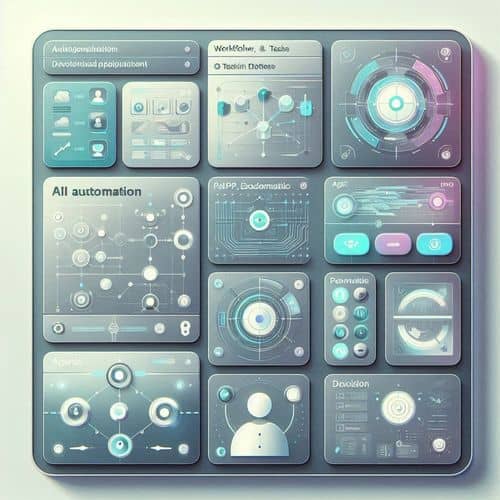
AutoGPT represents a shift from prompt-based AI to autonomous systems. Instead of manually guiding each step, users define an objective and let the AI agent plan and execute tasks independently. These agents can research, write, analyze, and interact with external tools, making AutoGPT a powerful solution for automation, experimentation, and building next-generation AI applications.
Core Features & Capabilities
Ideal for developers, AI engineers, startups, researchers, and businesses that want to automate workflows, build intelligent agents, and reduce manual work across digital operations.
- break down complex goals into smaller executable tasks automatically
- run continuous ai agents that operate independently in the background
- integrate with apis, tools, and external data sources for automation
- build workflows using low-code or modular configurations
- coordinate multiple agents for collaborative decision-making systems
Trending Use Cases
Why Developers Choose AutoGPT
Start by defining a high-level goal, then configure an agent using the AutoGPT platform or open-source setup. Connect APIs and tools, define workflows, and run the agent to execute tasks autonomously. Monitor results, refine goals, and scale workflows as needed.
NexusAi: “AutoGPT transforms AI from a reactive tool into a proactive system that can execute complex workflows autonomously.”
Getting Started with AutoGPT
By enabling AI agents to plan, execute, and adapt autonomously, AutoGPT unlocks a new generation of intelligent systems that reduce manual effort and transform how workflows are built and automated.
Open the tool and review its core product experience.
Create your account or access your existing workspace.
Use your own task to judge speed, quality, and fit.
Check similar AI tools before making a final decision.
AutoGPT
AutoGPT is an open-source AI agent platform that enables users to create autonomous systems capable of planning, executing, and automating complex workflows.
AutoGPT is an autonomous AI agent framework that enables users to create, deploy, and manage AI systems capable of completing multi-step tasks independently. Unlike traditional chat-based tools, AutoGPT takes a high-level goal and decomposes it into smaller actions, executing them across tools, APIs, and data sources. It supports continuous agents that can run in the background, trigger workflows, and adapt based on results. With a low-code interface and modular architecture, AutoGPT is designed for developers, businesses, and researchers looking to automate complex workflows and build intelligent systems.
Visit AutoGPT
Comments (0)
No Comments Found