

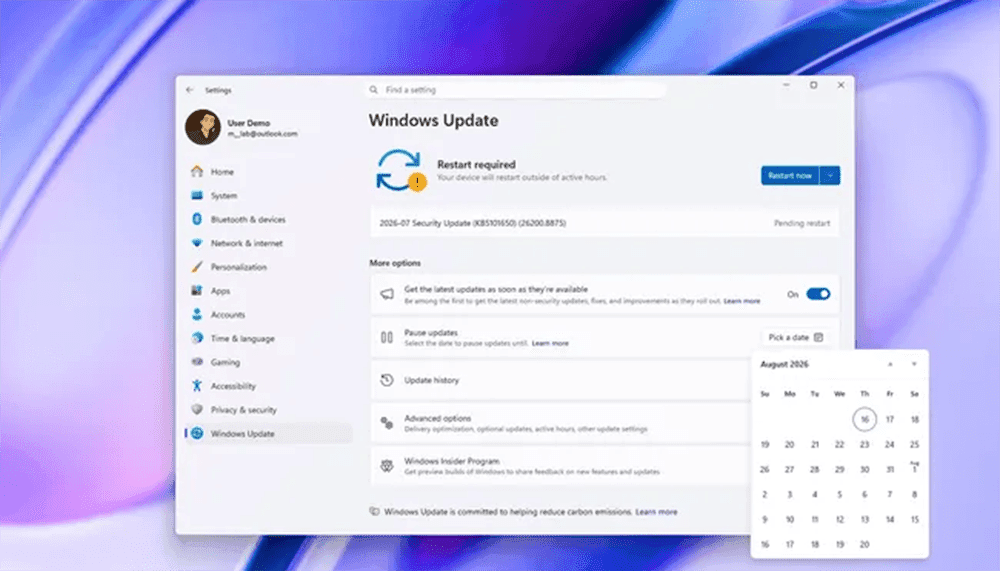
The scale of July’s security release—570 vulnerabilities across Windows and adjacent components—marks a structural shift. AI-augmented scanners and agentic workflows can now traverse massive, long-lived codebases, reason about complex flows, and automatically validate suspected issues, lifting discovery throughput far beyond human-only methods. The result is a backlog inversion: discovery is abundant, but safe change remains scarce. For technology leaders, the question is no longer “Can we find more?” but “Can we reliably ship more changes faster without breaking production?” That reframes Patch Tuesday from a monthly checklist into a rolling engineering and risk-management problem.
Attackers are adapting, too. The same AI that helps defenders find flaws can accelerate exploit prototyping, payload generation, and targeting. When hundreds of issues land at once, opportunistic actors will race to operationalize the subset that is easiest to weaponize and most exposed. That means many organizations will not be breached because they failed to read advisories—they will be breached because their validation pipelines, change windows, and rollback processes cannot keep pace. Exposure-driven prioritization, measurable service-level objectives (SLOs) for patch latency, and automated pre-production testing become the frontline controls that determine real-world risk.
Enterprises should treat large releases like continuous delivery for security. Start with an accurate asset inventory and software bill of materials to scope impact, then filter vulnerabilities by exploitability signals and internet exposure. Use ringed deployments with canaries on representative hardware, application stacks, drivers, and security tooling to catch regressions quickly. Integrate automated test suites for critical workflows and driver-sensitive components, and enforce change-approval automation to compress dwell time. Track P50/P95 time-to-remediate, change failure rate, and rollback time as core metrics. The goal is to convert discovery volume into predictable, fast, and low-drama remediation at scale.