

AI Visual Consistency & Mood Direction Builder
Create a stronger visual mood and style direction so your story feels coherent across scenes, formats, and platforms.
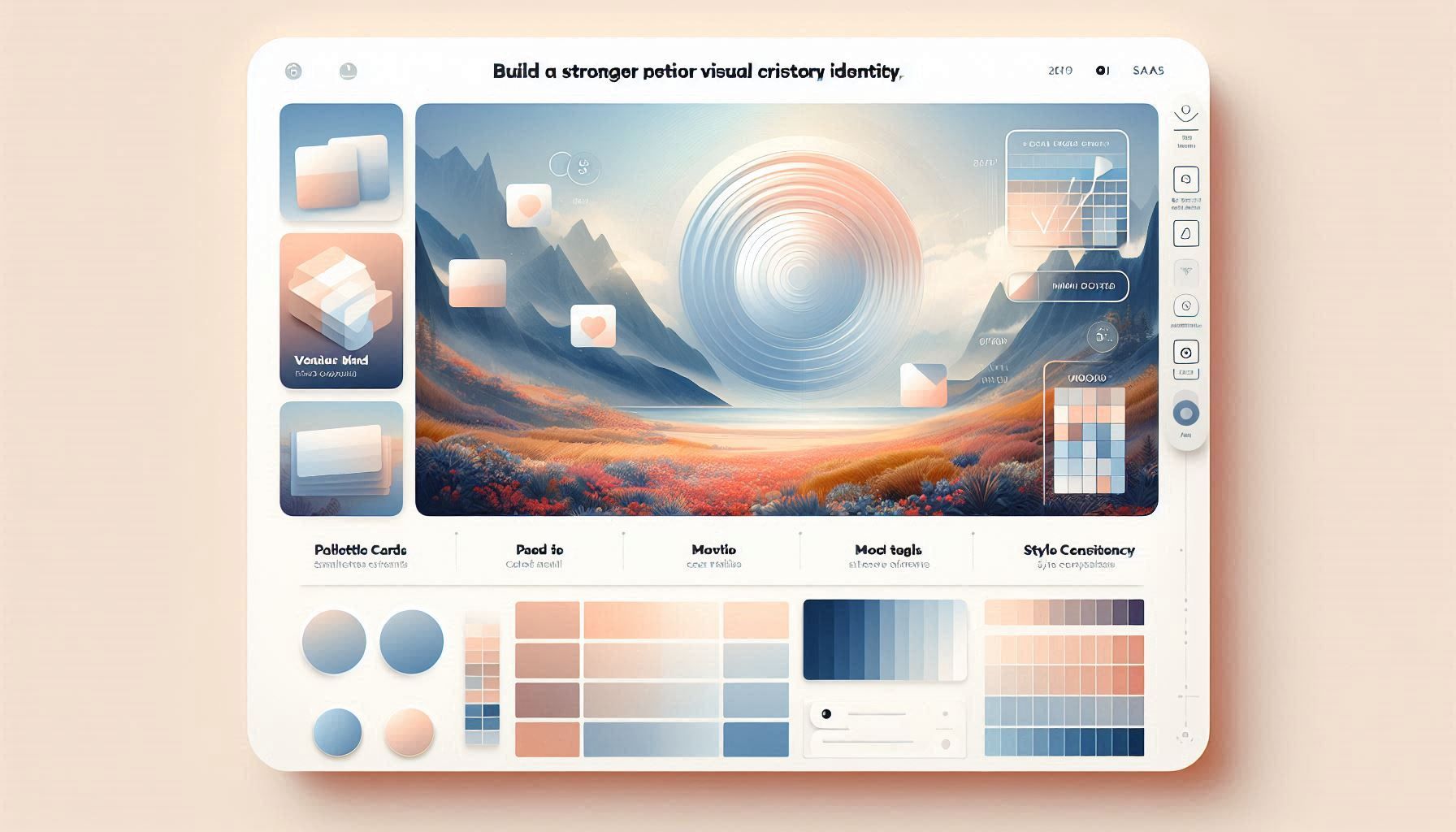
Prompt Overview
Featured AI Partner
Tips For You
Visual consistency increases emotional trust because the audience starts to feel one coherent world instead of many disconnected design decisions.
From Operations TeamNexusAi TechnologyProblem It Solves
Visual storytelling often breaks down because the content has no consistent mood, tone, or design language. Different scenes, edits, or assets may look attractive individually but do not feel like part of the same story. This prompt helps creators define visual consistency before that happens.
Mood Definition System
Clarifies the emotional visual tone so storytelling feels more intentional and less visually random.
Consistency Rule Builder
Defines recurring visual elements that help different scenes and formats feel like parts of one story system.
Cross-Platform Style Adaptation
Shows how to preserve narrative identity while adapting content across social, video, and campaign formats.
AI Prompt Instructions
Act as a creative direction strategist specializing in visual mood, style consistency, and narrative coherence.
Your task is to define a stronger visual direction for a story-driven content piece so the final output feels emotionally coherent, stylistically intentional, and easier to execute consistently.
Context:
I want more than a collection of visually nice assets. I want a visual language that supports the story through mood, palette, composition style, pacing feel, and recurring motifs. The goal is to create stronger emotional recognition and brand consistency across scenes or content variations.
INPUTS:
1. Story or campaign idea
2. Platform or content format
3. Audience
4. Desired emotional tone
5. Existing style references if any
6. Current consistency problem
Examples: mixed aesthetics, weak mood, no clear identity, inconsistent assets, random scene style
OUTPUT REQUIREMENTS:
SECTION 1 — Mood & Style Summary
Define the visual mood and style direction.
SECTION 2 — Consistency Elements
Recommend recurring visual traits such as palette, framing, typography, editing feel, or motifs.
SECTION 3 — Story Support Notes
Explain how the visual style reinforces the message or emotional arc.
SECTION 4 — Adaptation Guidance
Show how the style should stay coherent across scenes or platforms.
SECTION 5 — Final Creative Direction Brief
Provide a concise visual-direction brief ready for execution.
RULES:
- Optimize for narrative coherence and emotional consistency
- Avoid empty aesthetic language with no production value
- Keep the direction useful for creators, editors, and designers
- Focus on a repeatable visual system, not random mood-board phrases
Expected Outcome
A clear visual direction brief with defined mood, recurring style elements, adaptation notes, and stronger alignment between story and visual identity.
Implementation Journey
Describe the story and the desired emotional world
Enter the concept, audience, platform, tone, and any style references so the prompt can define a visual system that serves the story instead of producing a generic aesthetic mood.
3–5 minutesGenerate the style-consistency framework
Use the prompt in ChatGPT or Gemini to define the mood, recurring visual traits, and adaptation rules. Review whether the resulting direction is specific enough to actually guide design and editing decisions.
5–8 minutesApply the brief across all visual assets
Use the final direction in Canva, Midjourney, DALL·E, or your editing workflow so every scene, image, and design element feels like it belongs to the same narrative world.
10–15 minutes