

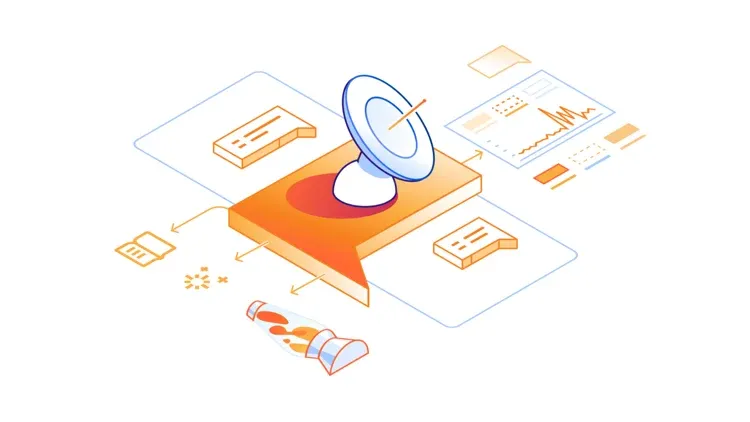
Radar Researcher is Cloudflare’s new conversational front end for the company’s open Internet measurements. Instead of spelunking through Radar pages or hand‑rolling API queries, users can ask plain‑English questions about traffic spikes, outage timelines, or network quality and get responsive, interactive charts plus a short, sourced explanation. The payoff is practical: analysts, journalists, and operators move from hunting the right view to interrogating the data directly, with follow‑up prompts that keep the investigation flowing.
What differentiates the tool isn’t only the chat veneer. Each answer is backed by Radar’s APIs and arrives with the exact visualization a user could have built manually, alongside a trace of how the model interpreted the question. That mix of narrative, chart, and audit trail helps close the trust gap that dogs many AI assistants, making the output citeable in incident write‑ups, policy briefs, or executive updates without resorting to screenshots of third‑party tools.
Under the hood, Researcher runs on Cloudflare’s developer stack: a Worker orchestrates the conversation, Durable Objects persist state, and Workers AI provides model inference with an ordered fallback across model families. AI Gateway handles logging, cost control, and caching. The result is a resilient agent that keeps generating even if a tab closes, and returns the same structured datasets you would fetch through Radar directly—only faster and with context applied to your current view.
For buyers and builders, the strategic signal is clear: observability platforms are converging on agentic interfaces that reduce time‑to‑evidence. Expect teams to standardize on conversational investigation for outage triage, regional comparisons, and media‑ready summaries. The risk shifts to governance—ensuring claims map to first‑party data and that prompts, query plans, and visualizations are reviewable. Radar Researcher’s explicit audit path and API‑sourced charts are a strong template for that future.