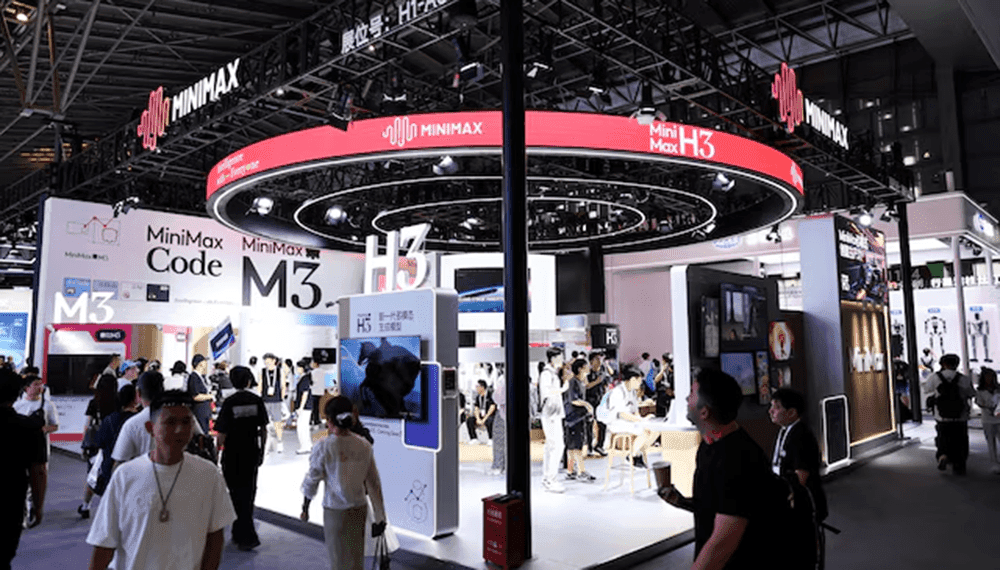
MiniMax’s H3 arrives with 2K video, native stereo audio, motion transfer, and built‑in editing—plus a pledge to release downloadable weights. That combination moves open‑weight video from demo to production, letting studios tune quality, own deployment, and slash per‑minute costs compared with closed, usage‑metered platforms.
H3’s feature mix is notable: multimodal inputs (text, image, video, and audio), 2K output, native stereo tracks, motion transfer for retargeting performance, and built‑in editing tools. If the promised downloadable weights arrive, teams can tune the model and run it in VPC or on‑prem environments, aligning creative control with data governance. That challenges closed platforms optimized for ease but constrained by rate limits, watermark policies, or opaque roadmaps. For professional video teams, the story isn’t just better prompts; it’s owning the pipeline: consistent brand look, deterministic delivery windows, and the ability to debug artifacts at the model and toolchain level rather than waiting on a vendor queue.
Economically, open‑weight video reframes spend from usage fees to infrastructure plus engineering. 2K generation with stereo audio stresses GPUs, memory bandwidth, and storage I/O. You’ll need scheduling to batch long renders, fast NVMe for frame and audio caches, and audio tooling for spatialization, loudness compliance, and noise management. When the pipeline is stable, cost per finished minute often drops, especially for repetitive formats like product spots, explainers, and localized variants. The upside is control and predictability; the trade‑off is responsibility for quality gates—shot continuity, lip‑sync, brand color accuracy, and motion stability—plus regression testing after every model or driver update.
Operationally, treat H3 as a component in a broader studio stack. Build a test suite with quantitative and perceptual metrics, wire it into CI for prompts, assets, and renders, and maintain reference looks for key franchises. Leverage motion transfer to recycle choreography and camera moves safely, then enforce a rights ledger for any source footage. Use guardrails to block disallowed content modes and watermark detection to route high‑risk scenes for human review. If downloadable weights lag, pilot via managed endpoints but architect for portability: containerized workers, clear asset contracts, and resource quotas so video jobs don’t starve other GPU workloads.
What’s New and Why It Matters
H3 combines 2K video generation, native stereo audio, motion transfer, and inline editing under a single model umbrella. That’s the first credible open‑weight path that addresses both picture and sound with production‑oriented controls. Stereo matters for ad suitability, dialogue clarity, and music bed separation; motion transfer preserves timing and blocking so scenes can be re‑shot virtually without reshoots. If weights become downloadable, teams can fine‑tune for brand palettes, typography overlays, and camera language, then lock versions for campaigns—something difficult with fast‑moving closed APIs.
Compared with closed platforms, the strategic delta is customization depth and deployment sovereignty. You can co‑locate the model with asset stores, enforce security policies, and run deterministic workflows across locales. That setup reduces approval rounds and late‑stage surprises, raising throughput for formats with repeatable structures such as retail promos, app feature tours, and seasonal refreshes.
Deployment Models and TCO Levers
For 2K pipelines, plan for multi‑GPU nodes, fast NVMe scratch, and high‑throughput object storage. Use job queues with per‑shot priority, and cache intermediate frames and audio stems to avoid re‑computing variants. Quantization and mixed precision can lower VRAM pressure, but validate for motion jitter and banding. Keep a separate audio chain for loudness targets, stereo field integrity, and dialogue/music splits; it prevents minor visual changes from rippling into re‑mix passes. Track frames‑per‑dollar and quality‑per‑minute across presets so producers can choose between speed and fidelity intentionally.
In VPC or on‑prem, amortize hardware over predictable content slates—weekly ads, launches, or tutorial series. Pair a cold render farm for long jobs with a warm, low‑latency pool for interactive prompting and previews. The result is fewer idle GPUs and lower blended costs. Reserve cloud burst capacity for spikes, but keep the pipeline portable to avoid egress drag and vendor lock‑in.
Workflow Integration: From Assets to Delivery
Adopt an asset‑centric design: reference footage, style LUTs, voice beds, and motion clips live in versioned storage with metadata for rights and expirations. Orchestrate H3 with timeline-aware job specs so shots inherit camera moves and grade presets. Use OpenTimelineIO or equivalent interchange to hand off to NLEs. Enforce color management early; ensure renders round‑trip to finishing tools without gamut shifts. For audio, maintain stems for VO, SFX, and music, then apply loudness normalization and QC on the final multiplexed output before distribution.
Integrate guardrails and review queues where brand risk is highest: talent likeness, logos, and product depictions. Motion transfer unlocks avatar and spokesperson consistency—pair it with signed usage logs so legal can audit which source takes seeded each render. Automate delivery checks (duration, frame rate, codecs, captions) and attach provenance manifests so downstream systems can trace generation parameters.