

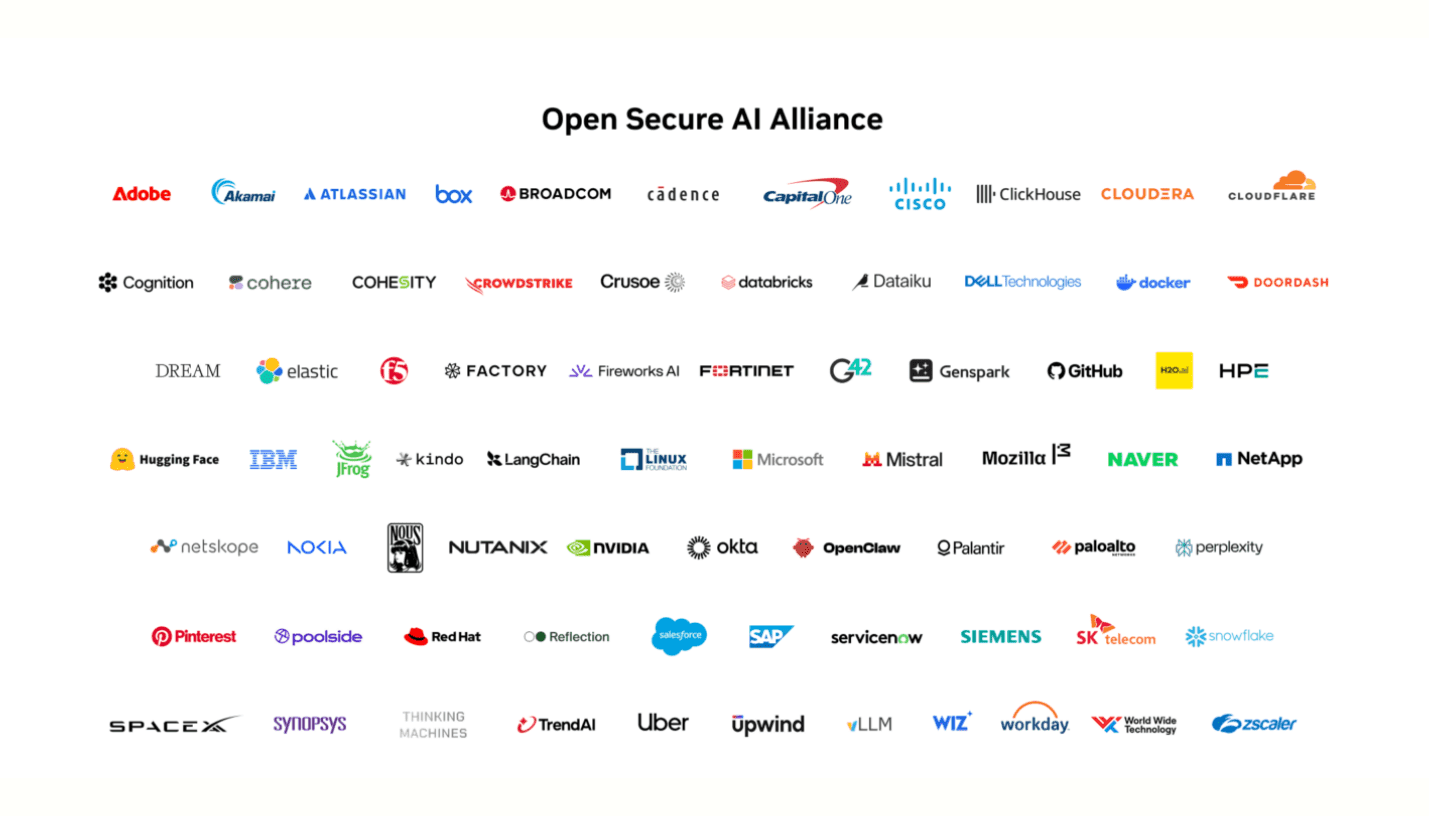
Enterprises are converging on a practical truth: AI security is a systems problem, not a single-model decision. The Open Secure AI Alliance elevates open building blocks—models, harnesses, and tooling—so defenders can inspect, adapt, and self-host critical controls. This reduces dependence on opaque services, helps meet data-residency and audit needs, and allows incident responders to run forensics at wire speed. By aligning open contributions across identity, safe model formats, scanning, and signed patches, the alliance frames a defense architecture that any security team can evaluate and integrate into existing zero-trust programs.
What’s new is the breadth and specificity of the stack. Open harness research (e.g., object-oriented agent frameworks) targets verifiable agent behavior. Safe tensor formats aim to reduce supply-chain risk from weight loading. Zero-trust identity standards such as SPIFFE/SPIRE extend workload attestation to AI agents. Digitally signed patches and provenance-aware repos address model and code lineage. Multi-model, agentic scanning orchestrates specialized verifiers to debate and validate findings. Together, these pieces form an actionable blueprint rather than a set of aspirational principles.
For buyers and operators, the implication is immediate: prioritize controls that survive vendor churn and cloud boundaries. Evaluate whether your AI systems can be audited without vendor cooperation, whether weight formats are safe by default, and whether agents can be cryptographically identified and isolated. Build red-team playbooks that include open, locally runnable models to ensure investigations are not throttled by rate limits, opaque logs, or policy constraints. The goal is not to abandon closed models, but to pair them with open, verifiable guardrails and telemetry where accountability matters most.
Strategically, open defensive layers change the economics of AI security. Community-hardened controls lower the cost of experimentation, reduce lock-in, and make compliance evidence portable. Expect a rising premium on interoperability certifications, signed artifacts, and evaluation benchmarks that stress multi-model and multi-cloud scenarios. Organizations that build early muscle around open agent identity, scanning harnesses, and signed supply chains will cut mean time to detect and respond, while creating a foundation to absorb rapid model iterations without re-architecting the entire risk program.