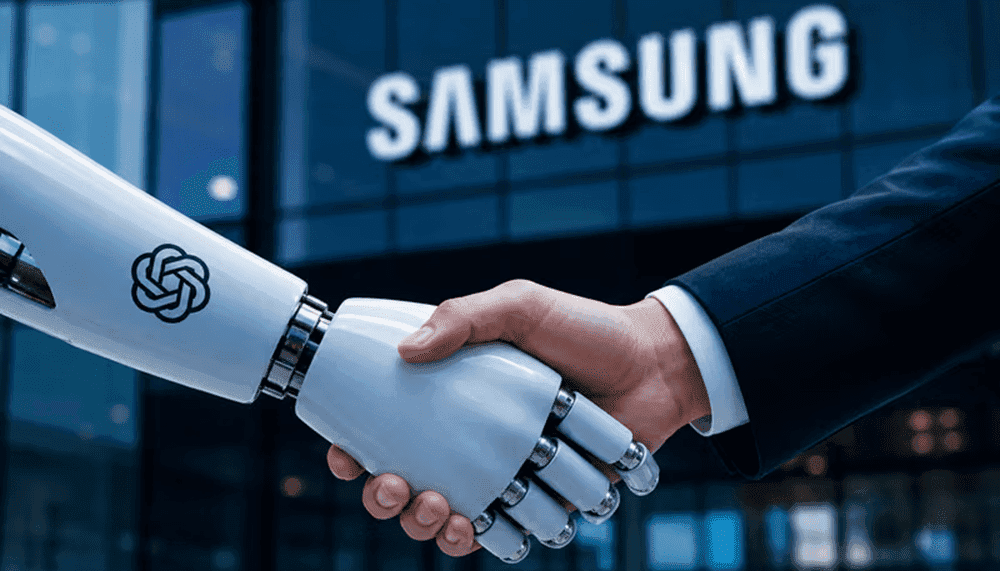
An in-depth look at how the expanding alliance between Samsung and OpenAI bridges next-gen semiconductor manufacturing with massive enterprise AI software deployment.
The evolution of the artificial intelligence sector is increasingly defined by structural dependencies between frontier software creators and advanced semiconductor manufacturers. As model parameters expand and multi-agent systems require continuous infrastructure support, single-layer software agreements are giving way to deeply integrated hardware-software alliances. The relationship between Samsung Electronics and OpenAI serves as a prime indicator of this industrial trend, establishing a blueprint for future enterprise collaboration.
This alliance operates on two distinct levels. On the surface, it represents one of the largest corporate deployments of conversational intelligence tools, shifting how thousands of engineers and knowledge workers manage data, synthesize internal repositories, and execute complex programming pipelines. Beneath the surface, it secures a vital supply chain link for high-bandwidth memory wafers, which are critical for stabilizing global data center infrastructure amidst ongoing compute shortages.
Enterprise Software Deployment at Scale
The operational cornerstone of this partnership involves the systemic implementation of advanced language model platforms across Samsung's global corporate structure. By integrating high-tier enterprise chat frameworks into daily professional environments, the organization aims to optimize internal technical communications and accelerate software development lifecycles. Engineers use specialized environments to review, document, and test complex internal logic structures.
This rollout prioritizes strict enterprise data protection boundaries, ensuring that all proprietary manufacturing notes, design schemas, and engineering logs remain entirely isolated from public training sets. This configuration allows internal teams to securely leverage generative productivity workflows without risking intellectual property exposure.
Optimizing Developer Workflows with Codex Capabilities
A crucial benefit of this deployment is the integration of advanced programming assistants into Samsung's developer environments. By utilizing customized coding agents, engineering teams can instantly generate baseline documentation, parse expansive technical repositories, and translate legacy architectures into highly optimized modern code blocks.
This operational shift significantly minimizes routine development overhead, allowing senior software engineers to redirect their focus toward complex architectural challenges, security protocol validation, and novel hardware integrations. The resulting boost in developer velocity provides a substantial competitive advantage in fast-moving device engineering sectors.