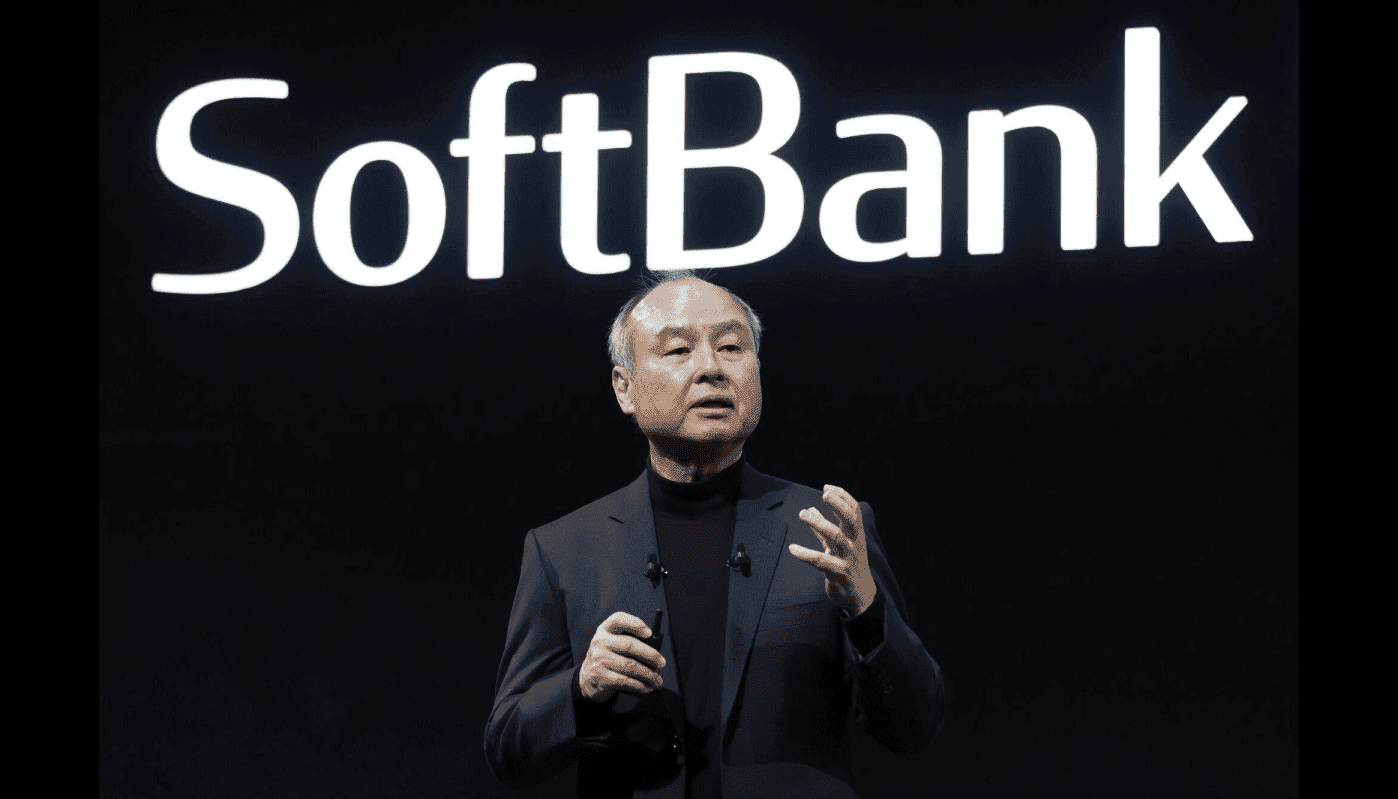
Masayoshi Son’s rejection of AI bubble fears shows how the AI market is splitting between short-term valuation risk and long-term infrastructure conviction.
Masayoshi Son’s latest comments put the AI bubble debate back in the center of the industry. The SoftBank founder argued that artificial intelligence is still at an early stage and that calling it a bubble misunderstands the scale of the transformation he expects.
That view matters because SoftBank is no longer just a technology investor watching the AI market from the outside. Through its OpenAI exposure, Arm ownership, data center ambitions and robotics push, SoftBank is trying to position itself across the physical and software layers of the AI economy.
For AI tool users, founders and product researchers, the more useful question is not whether every AI valuation is justified. It is whether the capital flowing into AI is creating infrastructure, models, agents and automation tools that become more capable, affordable and widely available over time.
Why Son’s comments landed at the right moment
AI investment has created one of the strongest technology narratives in the market. Data centers, chips, model labs, cloud platforms, robotics companies and enterprise AI software are all attracting capital. At the same time, many investors are questioning whether revenue growth can justify the scale of spending.
Son’s answer is direct: he believes the AI revolution is still beginning. That does not remove valuation risk, but it explains why SoftBank is willing to keep making concentrated bets on companies and infrastructure that could benefit if AI demand expands for another decade.
SoftBank is betting on the full AI stack
The important detail is that SoftBank’s AI strategy is not limited to chatbots or software subscriptions. Its exposure runs through OpenAI, Arm processors, data center buildout, robotics and future physical AI systems. That gives Son a thesis around the entire AI supply chain.
This full-stack posture mirrors a broader industry pattern. AI value is moving across chips, networking, power, data centers, model training, inference, agents, enterprise workflows and robotics. The companies that control multiple layers may have stronger strategic leverage than those relying on a single application.
The bubble debate is really about payback timing
The AI bubble question is often framed too simply. AI can be a real platform shift and still contain overvalued companies, weak business models and excessive capital spending. The risk is not that AI has no value. The risk is that some investors may price future productivity gains before they appear in cash flow.
That makes payback timing the key issue. Data centers, chips and robotics require heavy upfront investment. If demand keeps rising, those assets may become strategic infrastructure. If adoption slows or pricing falls faster than expected, the same assets can pressure margins and investor confidence.
Physical AI is becoming part of the investment thesis
Son’s emphasis on robotics and physical AI is significant. The next stage of AI adoption may not be limited to assistants on screens. It may include robots, factories, logistics systems, warehouses, vehicles and industrial operations that use AI to act in the physical world.
For NexusAI users, this changes how AI tools should be evaluated. The market is expanding from productivity software into real-world automation. That means future AI discovery will include not only model apps and agents, but also platforms that connect AI to sensors, machines, edge compute and operations.
What AI buyers should watch next
The practical signal to watch is whether investment turns into better user outcomes. Stronger infrastructure should eventually make AI tools faster, cheaper, more reliable and easier to deploy. Better robotics and edge AI should produce measurable savings in operations, not just impressive demonstrations.
A disciplined buyer should track three things: real customer adoption, unit economics and workflow value. The most durable AI companies will not only raise capital or tell a large vision. They will convert compute, models and automation into products that users can trust and businesses can justify.