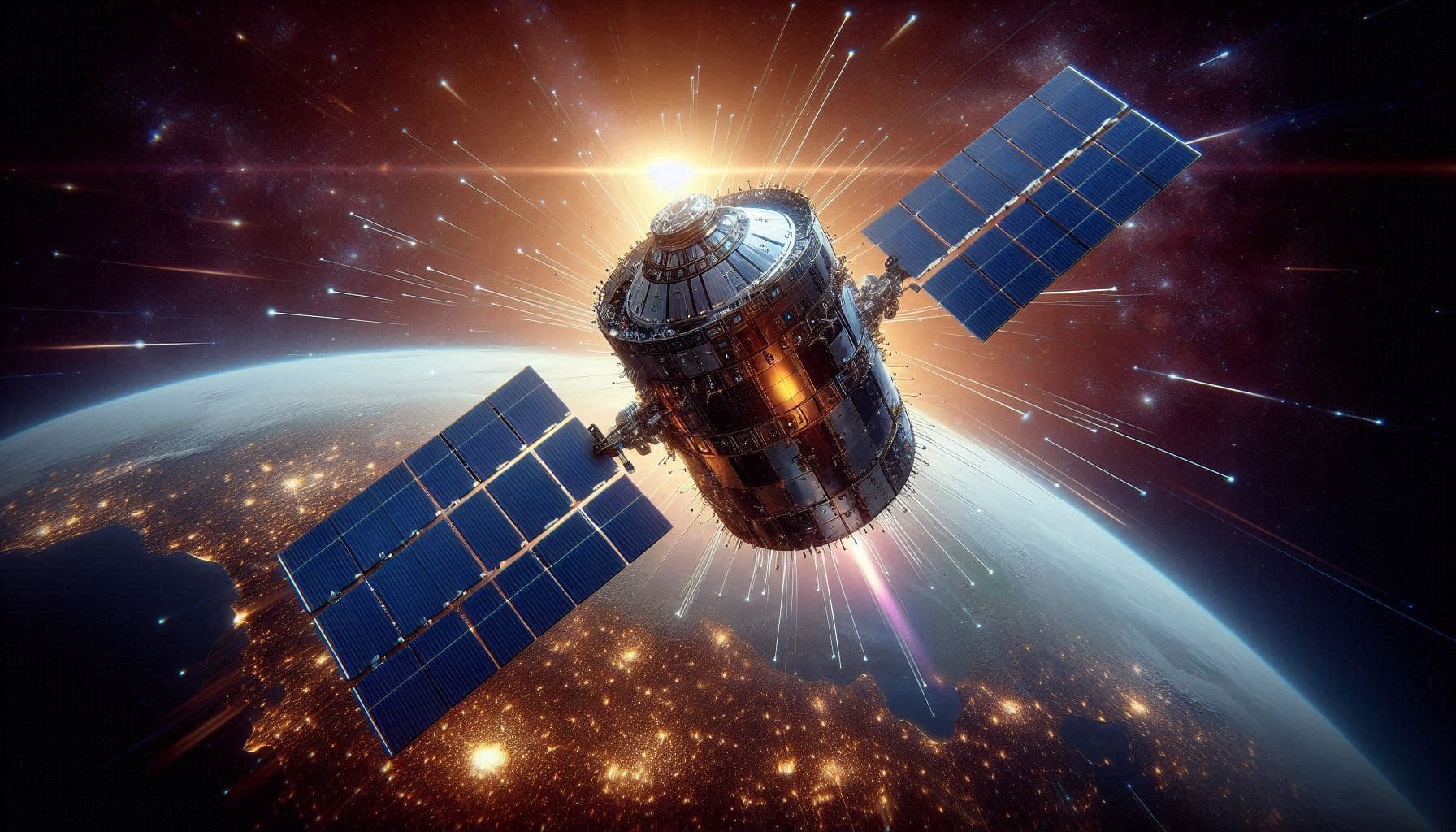
SpaceX’s reported AI1 satellite concept points to a future where AI compute expands beyond Earth-based data centers into solar-powered, laser-linked orbital infrastructure.
SpaceX’s reported AI1 satellite concept points to one of the most ambitious AI infrastructure ideas now entering mainstream discussion: orbital compute. Instead of building every AI data center on Earth, SpaceX is exploring whether satellites can host AI hardware in orbit, draw power from large solar arrays, cool through radiators, and connect through laser-linked satellite networks.
The idea is still early, and users should separate confirmed engineering direction from speculative hype. But the strategic logic is clear. AI is becoming constrained by power, cooling, land, permitting, networking, and data-center buildout speed. If orbital systems can eventually provide scalable compute capacity, AI infrastructure could expand into a new physical layer above the planet.
For AI tool users, this may sound distant, but infrastructure changes often shape the products people use years later. Cheaper or more abundant compute can make better models more accessible. New network paths can change latency and availability. New deployment layers can support global AI services, edge intelligence, autonomous systems, and data-heavy workflows that are difficult to support with traditional cloud data centers alone.
Why orbital AI compute is becoming a serious infrastructure idea
AI demand is growing faster than many traditional infrastructure systems can comfortably support. Large AI models require huge amounts of electricity, dense compute hardware, specialized cooling, reliable networking, and expensive real estate. These constraints are turning compute into one of the most important bottlenecks in the AI economy.
Space-based AI compute is a radical answer to that bottleneck. In orbit, satellites can access solar power directly and avoid some of the land, permitting, and grid constraints that affect Earth-based data centers. The challenge is whether launch cost, thermal control, radiation hardening, maintenance, networking, and economics can work at commercial scale.
What the reported AI1 design suggests
The reported AI1 direction is built around a simpler architecture than a full communications satellite. Instead of focusing on complex consumer-facing antennas, the concept centers on solar power, compute racks, thermal radiators, laser links, and orbital connectivity. That makes it closer to a flying data-center module than a normal satellite internet node.
This design direction matters because it shows how SpaceX may reuse parts of its existing Starlink and Starship ecosystem. If Starship lowers the cost of putting heavy hardware into orbit, and if Starlink-style laser networking can route data efficiently, orbital AI compute becomes more plausible as a long-term infrastructure business.
Why laser-linked AI infrastructure could change global AI access
A single orbital AI satellite is interesting, but the bigger infrastructure idea depends on networking. Laser links between satellites could allow compute nodes to exchange data with each other and route requests through orbital networks before connecting back to ground systems. This could create a new kind of globally distributed AI infrastructure.
For end users, the impact would depend on latency, cost, routing, workload type, and reliability. Orbit may not be ideal for every AI task, but it could become useful for distributed inference, global AI services, space-based sensing, autonomous operations, and compute workloads where power availability matters more than ultra-low local latency.
What NexusAI users should watch next
NexusAI users should watch three signals: whether SpaceX can demonstrate stable orbital AI compute, whether the economics can compete with Earth-based data centers, and whether AI companies actually adopt orbital infrastructure for real workloads. A prototype is not the same as a scalable compute platform.
The broader lesson is that AI tool discovery is becoming tied to infrastructure discovery. The best AI products may increasingly depend on who controls chips, energy, cooling, data centers, satellites, network routes, and deployment layers. SpaceX’s AI1 concept makes that infrastructure race much more visible.