

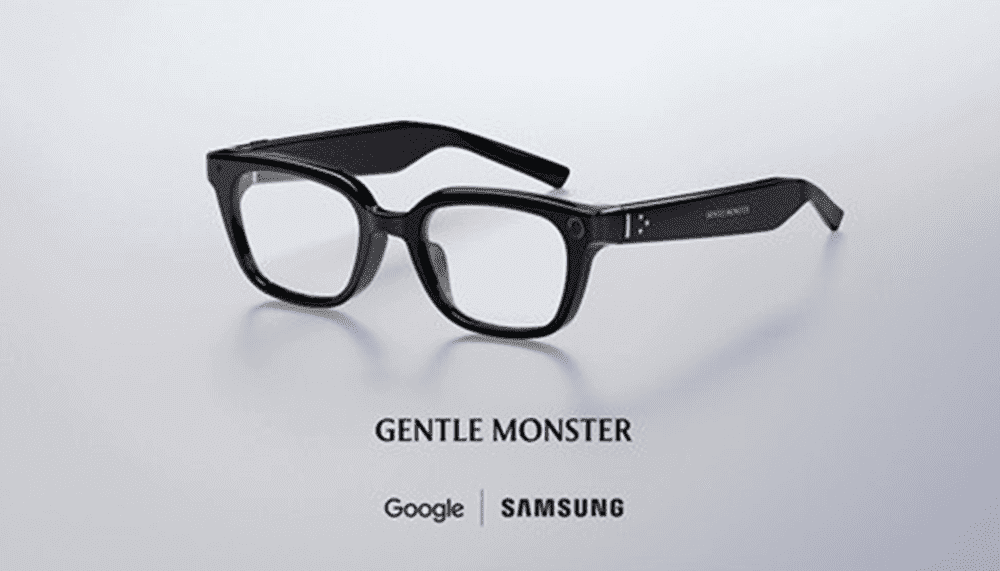
Samsung is reframing smart eyewear as a practical endpoint for ambient AI. Rather than projecting complex 3D scenes, the glasses emphasize lightweight design, long wear comfort, and a familiar eyewear aesthetic through collaborations with Gentle Monster and Warby Parker. The product is tightly coupled to the Galaxy ecosystem and Android XR, bringing Google’s assistant capabilities into a hands-free form factor. The strategic play is clear: shift routine AI interactions from a phone screen to unobtrusive glasses where voice, subtle gestures, and camera context reduce friction, minimize task switching, and increase the surface area where AI can be helpful without interrupting eye contact, mobility, or attention.
Under the hood, the glasses lean on an AR-optimized Snapdragon platform to balance on-device intelligence, battery life, and thermal limits. The integrated camera feeds context to AI for summarizing what’s in view, capturing whiteboards or notes, translating live conversations, and guiding navigation. Design choices prioritize subtlety and social acceptability—critical to avoiding the stigma of earlier smart glasses. Rather than competing with full AR headsets, Samsung is carving a lane for ambient, voice-first agents that work in the background, coordinate across phone and watch, and deliver just-in-time assistance that feels natural in meetings, travel, and field tasks.
For enterprises and prosumers, the payoff is workflow compression. Hands-free capture and automatic note structuring can reduce after-action documentation, while live translation lowers collaboration friction across teams and regions. Visual sharing from a first-person perspective boosts remote support and training, particularly in field service, healthcare adjunct roles, and logistics. The gating factors are not raw capability but deployment mechanics: privacy-by-default policies, consent prompts when cameras are active, secure cross-device data handling, and clear ROI metrics like reduced handle time, fewer repeat visits, and faster onboarding. Organizations that solve these operational guardrails early will gain an edge as ambient agents scale.
Market-wise, Samsung’s alignment with Google and fashion-forward brands signals a maturing category: smart glasses as a companion, not a destination platform. Expect modular SKUs and accessory ecosystems (lenses, frames, cases) to expand, and for developers to target micro-interactions where context plus voice excels. The most immediate battlegrounds will be travel, frontline work, and knowledge worker capture. The risk is overextending into use cases that need richer displays or longer duty cycles than first-gen glasses can sustain. Winners will design for ambient clarity—short prompts, glanceable cues via audio or subtle haptics, and privacy features that earn trust in public spaces.