

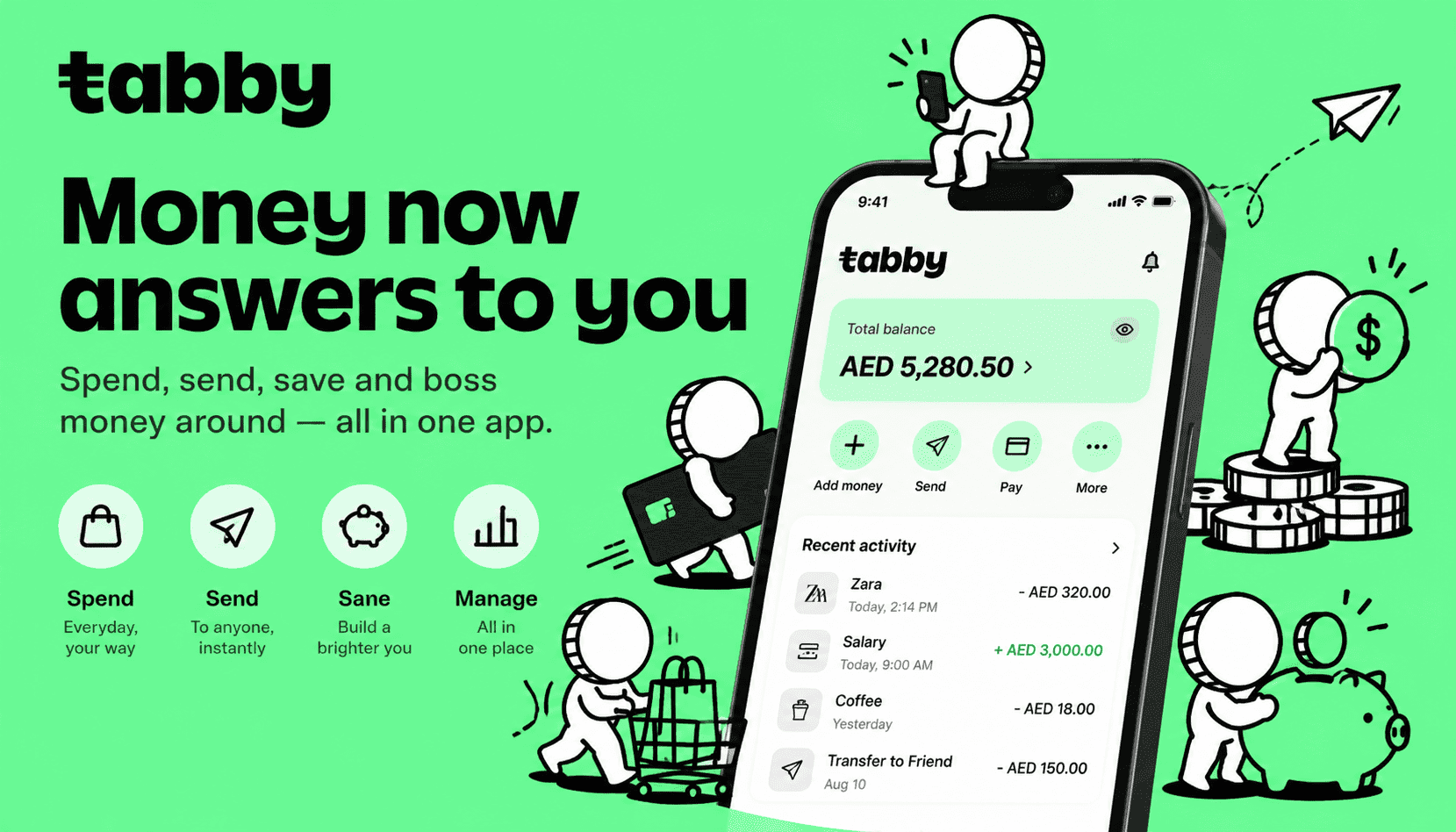
Tabby 2.0 reframes bookkeeping from a dashboard-driven task into a conversational service. Instead of navigating menus and reports, small business owners can ask Tabby Talk plain-language questions—"How much did we spend on supplies last quarter?"—and receive explanations tied to live data. More importantly, Tabby Talk can execute actions: mark payments as paid, generate invoices, estimate taxes, or reconcile transactions when the rules are clear. That combination of read-and-act lowers the bar for business owners who lack accounting experience, speeding routine administration while preserving a record of changes for later review.
The practical difference between Tabby’s AI agent and traditional accounting software is agency and accessibility. Conventional suites present tools and reports; the user must translate those outputs into decisions and actions. Tabby Talk overlays that stack with a natural-language interface and scripted task execution that understands the company’s existing ledger. For small teams, the net effect is fewer clicks and less bookkeeping literacy required. But that same agent model demands clear guardrails—what it can change automatically, which transactions require human confirmation, and how exceptions are surfaced—because automated edits to financial journals have downstream tax and audit implications.
In practice, businesses should treat Tabby Talk as a productivity multiplier for repetitive, rule-based work: bank reconciliation with high-confidence matches, recurring invoice generation, applying straightforward expense categorizations, and producing routine cash-flow and P&L snapshots. These are tasks where rules are stable and the cost of an occasional misclassification is low and reversible. Conversely, strategic decisions—period-end tax adjustments, complex accruals, revenue recognition for bundled contracts, or judgment calls on lease accounting—still require an accountant’s technical judgment and a documented review process.
Adoption requires designing a human-in-the-loop workflow from day one. Firms should define what Tabby can change without confirmation, which items trigger a verification workflow, and how edits are logged and approved. For accountants and outsourced bookkeeping firms using Tabby for Accountants, the agent can compress task queues but also introduce new QA checkpoints—sampling automated edits, flagging anomalies, and keeping a chronological audit trail. That combination preserves speed while maintaining oversight for filing, compliance and advisory services that remain fee-bearing human work.